# Exploring the Reinforced Double Row Drag Chain: Enhancing Industrial Efficiency and Durability
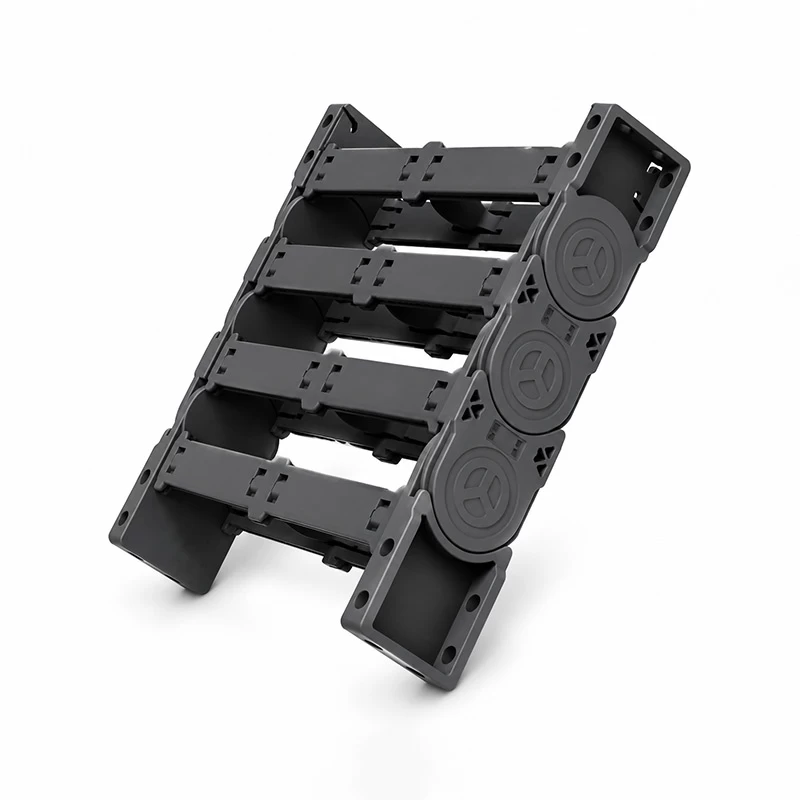
In the realm of industrial automation and manufacturing, the demand for reliable and robust cable management solutions is paramount. Among various products designed to meet these needs, the **Reinforced Double Row Drag Chain** stands out due to its enhanced strength, durability, and versatility. This blog delves into the intricacies of reinforced double row drag chains, exploring their design principles, applications, benefits, and maintenance considerations, all framed within a professional context to aid engineers, designers, and procurement specialists in making informed decisions.
---
## Understanding the Reinforced Double Row Drag Chain
### What is a Drag Chain?
A drag chain—also known as an energy chain or cable carrier—is a mechanical device used to guide and protect cables and hoses on moving machinery. It ensures that cables do not tangle, bend excessively, or undergo premature wear during operation, especially in environments where repetitive motion is involved.
### The Double Row Configuration
The double row drag chain features two parallel tracks for cable routing, effectively doubling the cable capacity compared to single row designs. This setup is particularly beneficial for complex machinery requiring multiple cables and hoses to be managed simultaneously.
### Reinforcement: The Key Differentiator
Reinforcement typically involves integrating stronger materials or additional structural elements into the drag chain’s design to enhance load-bearing capacity, resistance to external forces, and longevity under harsh operating conditions. For example, reinforced chains might incorporate steel inserts, thicker polymer walls, or specialized locking mechanisms.
---
## Design Features of Reinforced Double Row Drag Chains
### Material Selection
Most reinforced double row drag chains are manufactured using high-quality engineering plastics such as nylon or polypropylene, which offer excellent mechanical strength, chemical resistance, and lightweight properties. Reinforcements may include:
- Embedded steel plates or rods
- Fiber-reinforced polymers
- Special coatings to resist abrasion and corrosion
### Structural Dimensions
- **Width and Height:** Designed to accommodate larger bundles of cables without compromising flexibility.
- **Pitch Length:** The distance between consecutive chain links, optimized for smooth articulation.
- **Thickness:** Increased wall thickness in reinforced models provides added durability.
### Modular Construction
Many reinforced double row drag chains come with modular sections that can easily be assembled or disassembled to fit specific cable lengths and routing paths. This modularity reduces downtime during installation and maintenance.
### CSS Variables in Design Communication
While the physical product is mechanical, modern design documentation and online catalogs often utilize web technologies to present product information dynamically. For instance, CSS variables such as `--pd-blue`, `--pd-orange`, and `--pd-text` can be used to maintain consistent branding and readability across digital platforms showcasing reinforced chain sections.
- The `:root` selector in CSS helps define global style variables.
- Properties like `background-color: #ffffff` ensure clean, professional backgrounds for product images.
- Font families such as Arial, Helvetica, sans-serif provide clarity and accessibility.
These web design elements contribute indirectly to the professional presentation and marketing of reinforced double row drag chains.
---
## Applications of Reinforced Double Row Drag Chains
### Heavy Machinery and Robotics
In automated manufacturing lines, reinforced double row drag chains manage cables for robotic arms, CNC machines, and assembly equipment where precision and reliability are critical.
### Automotive Industry
Assembly lines often require extensive cable routing through moving components. The robust construction of reinforced chains prevents cable damage in high-speed, repetitive motions.
### Material Handling Systems
Conveyor systems and automated storage/retrieval units benefit from double row chains that can handle multiple cables and hydraulic hoses subjected to frequent movement.
### Renewable Energy Equipment
Wind turbines and solar tracking systems use reinforced drag chains to protect control cables against environmental stresses such as wind, moisture, and temperature fluctuations.
---
## Advantages of Using Reinforced Double Row Drag Chains
### Enhanced Load Capacity
Reinforcements allow the chains to carry heavier cable bundles without deformation or failure, essential in complex setups with numerous power and data cables.
### Improved Durability and Longevity
Materials and structural enhancements reduce wear and tear, extending service life and lowering replacement frequency.
### Flexibility and Space Optimization
Double row design optimizes space by consolidating cables, reducing clutter in machinery layouts and improving airflow.
### Ease of Installation and Maintenance
Modular sections and standardized dimensions facilitate quick installation and inspection, minimizing operational downtime.
### Safety Improvements
By securely managing cables, reinforced drag chains reduce risks associated with cable entanglement, electrical shorts, or mechanical failures, contributing to safer workplaces.
---
## Installation Best Practices
### Assess Cable Requirements
Evaluate the number, size, and type of cables to determine appropriate chain width and reinforcement level.
### Route Planning
Plan the chain's path to avoid sharp bends beyond recommended radius limits, which could compromise cable integrity.
### Secure Mounting
Use compatible brackets and connectors to firmly anchor the chain, preventing undue stress during machine operation.
### Regular Inspection
Schedule routine checks for signs of wear, deformation, or damage to both the chain and enclosed cables.
---
## Maintenance and Troubleshooting
### Cleaning
Keep the drag chain free of debris to prevent abrasion and ensure smooth movement.
### Lubrication
While most reinforced drag chains are designed for maintenance-free operation, some components might benefit from periodic lubrication depending on manufacturer guidelines.
### Replacement of Damaged Sections
Thanks to modular design, damaged links can be replaced individually without dismantling entire runs.
### Monitoring Cable Condition
Inspect cables for insulation damage or strain, addressing issues promptly to avoid cascading failures.
---
## Industry Trends and Innovations
### Smart Drag Chains with Embedded Sensors
Emerging solutions embed sensors within drag chains to monitor temperature, vibration, and wear, enabling predictive maintenance.
### Eco-friendly Materials
Manufacturers are exploring biodegradable or recyclable polymers to reduce environmental impact.
### Customizable Designs via 3D Printing
Additive manufacturing allows rapid prototyping and production of chains tailored to unique industrial requirements.
---
## Conclusion
The **Reinforced Double Row Drag Chain** represents a significant advancement in cable management technology, addressing the increasing complexity and demands of modern industrial systems. Its robust design, enhanced capacity, and adaptability make it an indispensable component for ensuring operational efficiency, safety, and reliability.
When selecting a reinforced double row drag chain, consider factors such as material quality, dimensional specifications, application environment, and maintenance capabilities. By integrating these chains into your systems, you not only safeguard your cables but also optimize system performance and longevity.
For professionals involved in system design, procurement, or maintenance, understanding the nuances of reinforced double row drag chains is essential to leveraging their full potential in industrial automation.
---
### Further Reading and Resources
- Manufacturer datasheets and technical catalogs
- Case studies on drag chain implementations in heavy industries
- Standards and guidelines from bodies such as the International Electrotechnical Commission (IEC)
- Emerging research on smart energy chains and sustainable materials
---
*Note: This article uses web design terms such as CSS variables (`--pd-blue`, `--pd-orange`) metaphorically when discussing digital presentations and documentation related to reinforced drag chains, illustrating how modern industrial product marketing integrates design aesthetics with technical content.*