# Exploring Lightweight and Economical Drag Chains: Innovations, Benefits, and Applications
In the realm of industrial automation and machinery, drag chains—or cable carriers—play a crucial role in protecting and guiding cables, hoses, and hydraulic lines. As industries prioritize efficiency, durability, and cost-effectiveness, the demand for lightweight and economical drag chains has surged. This article delves into the significance of lightweight drag chains, their design innovations, economic benefits, and practical applications across various sectors.
---
## Understanding Drag Chains: A Brief Overview
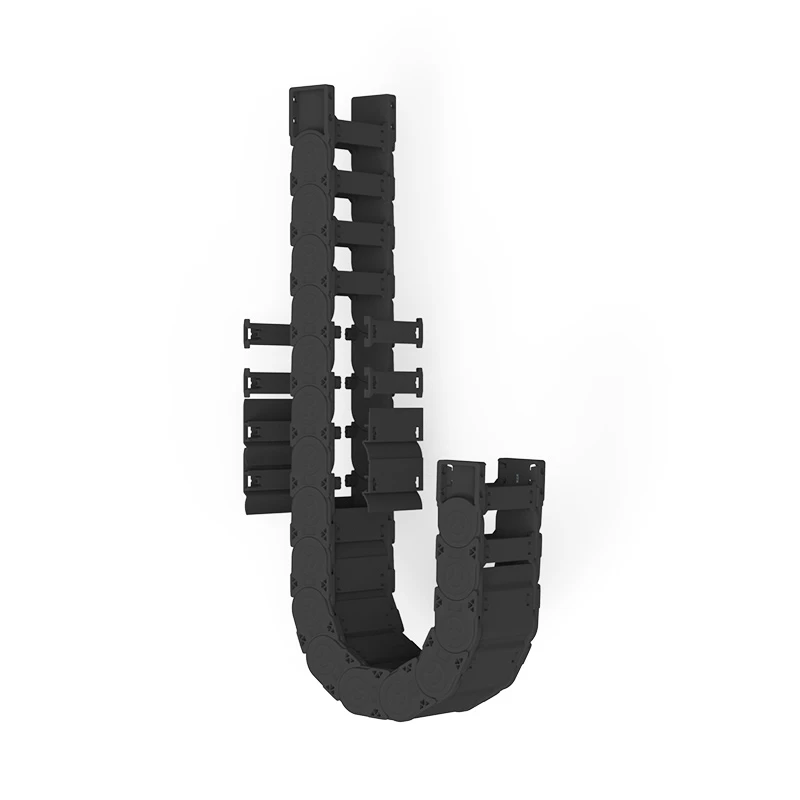
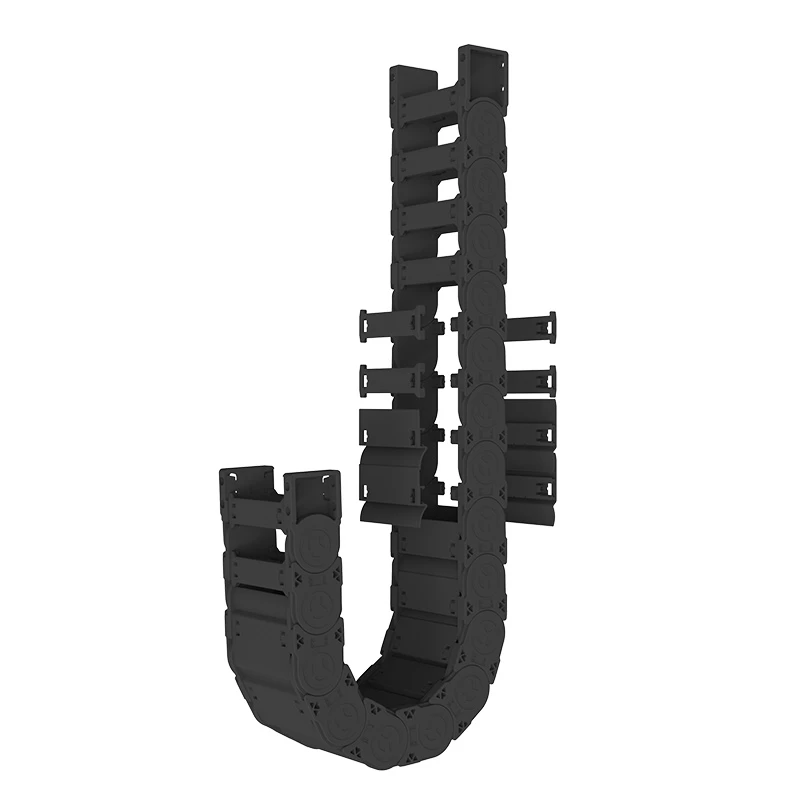
Drag chains are flexible carriers that house and protect cables and hoses attached to moving machinery parts. Their primary function is to prevent tangling, wear, and mechanical damage, thereby enhancing the reliability and lifespan of cables in dynamic environments.
Traditional drag chains are typically constructed from heavy materials such as steel or reinforced plastics, which, while durable, can add significant weight and cost to machinery systems. In contrast, lightweight drag chains utilize advanced materials and design principles to reduce weight without compromising strength and durability.
---
## The Rise of Lightweight Drag Chains: Why It Matters
### 1. **Enhanced Machine Performance**
Reducing the weight of drag chains directly impacts the overall mass of moving machine components. Lightweight drag chains contribute to smoother and faster machine operation by decreasing inertia and energy consumption. This improvement is particularly critical in high-speed automated machinery where every gram counts in optimizing movement dynamics.
### 2. **Energy Efficiency and Sustainability**
With industries increasingly focused on sustainability, lightweight drag chains offer notable energy savings. Lighter components reduce the power required to drive machinery, leading to lower electricity consumption and a reduced carbon footprint. These factors align with global environmental goals and present companies as responsible and innovative players.
### 3. **Cost-Effectiveness**
Lightweight drag chains often translate to lower manufacturing and operational costs:
- **Material Savings:** Using less or more affordable materials reduces production expenses.
- **Reduced Wear and Maintenance:** Lighter chains exert less stress on motors and bearings, decreasing maintenance frequency and extending equipment life.
- **Simplified Installation:** Easier handling due to reduced weight cuts down labor time and costs.
---
## Material Innovations Driving Lightweight Drag Chains
The development of lightweight drag chains hinges on advanced materials engineering. Here are some materials commonly employed:
### 1. **High-Performance Plastics**
Materials like nylon, polypropylene, and polyamide are favored for their excellent strength-to-weight ratios, chemical resistance, and flexibility. High-performance plastics also provide electrical insulation—a vital feature when protecting sensitive cables.
### 2. **Composite Materials**
Incorporating fiber-reinforced composites (e.g., fiberglass or carbon fiber composites) significantly enhances mechanical properties while maintaining low weight. These materials deliver superior stiffness and durability, making them ideal for demanding industrial environments.
### 3. **Aluminum Alloys**
While metals are generally heavier, certain aluminum alloys offer a balance between strength and lightness. Aluminum drag chains provide robustness against mechanical stresses with a weight advantage over steel alternatives.
---
## Design Strategies for Lightweight and Economical Drag Chains
Beyond material choice, several design approaches contribute to weight reduction and cost-effectiveness:
### 1. **Optimized Link Geometry**
Engineering the chain links with hollow or lattice structures reduces material use without sacrificing structural integrity. Finite element analysis (FEA) tools enable designers to identify stress points and optimize link shapes accordingly.
### 2. **Modular Construction**
Using modular designs allows for easy customization of drag chain length and configuration, minimizing waste and inventory costs. Modular chains also simplify repairs and replacements, further reducing downtime and expenses.
### 3. **Minimal Contact Surfaces**
Designs that limit contact between the chain and surrounding machinery parts reduce friction and wear. This approach prolongs component life and enhances operational efficiency.
---
## Economic Benefits: Balancing Quality and Cost
While lightweight drag chains may sometimes carry a higher initial price tag due to advanced materials or manufacturing processes, their total cost of ownership often proves advantageous:
- **Lower Energy Bills:** Reduced machine weight means lower power consumption.
- **Extended Equipment Lifespan:** Less mechanical strain decreases failure rates.
- **Decreased Labor Costs:** Easier installation and maintenance save time and money.
- **Improved Production Uptime:** Reliable cable management minimizes unexpected breakdowns.
Investing in economical drag chains that offer these benefits aligns with lean manufacturing principles and long-term financial planning.
---
## Applications Across Industries
Lightweight and economical drag chains have found utility in numerous sectors, emphasizing their versatility:
### 1. **Automotive Manufacturing**
Robotic arms and automated assembly lines benefit from lightweight drag chains due to rapid, repetitive movement requirements. Durable yet light chains enable precise control and high throughput.
### 2. **Packaging and Material Handling**
Machines in packaging facilities operate at high speeds with frequent directional changes. Lightweight drag chains reduce machine inertia, enhancing speed and accuracy.
### 3. **Medical Equipment**
In medical devices requiring delicate cable management—such as diagnostic imaging machines—lightweight chains reduce mechanical stress and ensure smooth operation in sensitive environments.
### 4. **Renewable Energy**
Wind turbines and solar tracking systems employ lightweight drag chains to handle cables exposed to dynamic motion and harsh weather conditions, where corrosion resistance and weight savings are crucial.
---
## Integration with Modern Web Design: A Parallel in Efficiency
Interestingly, the pursuit of lightweight and economical solutions mirrors trends in modern web design—particularly in CSS and front-end development. For example, developers use CSS variables (custom properties defined via `:root` selectors) such as `--pd-blue`, `--pd-orange`, and others to centralize style management efficiently. This approach reduces redundancy, streamlines updates, and optimizes performance, akin to how lightweight drag chains streamline machinery operation.
Similarly, structuring CSS elements with clear containers and sections—like `.light-chain-container` with max-width constraints and centered margins—ensures content is organized and efficient. Just as optimized drag chains enhance mechanical systems, well-structured CSS enhances user experience and site performance.
---
## Conclusion
Lightweight and economical drag chains represent a pivotal advancement in industrial automation, blending material science, engineering innovation, and cost management. Their benefits extend beyond mere weight reduction, encompassing improved machine performance, sustainability, and operational savings. As industries continue to evolve toward smarter, greener, and more efficient practices, adopting lightweight drag chains will remain a strategic priority.
For manufacturers and engineers seeking to optimize cable management solutions, investing in lightweight drag chains promises not only immediate gains but also long-term resilience and competitiveness.
---
## Further Reading and Resources
- **Designing with High-Performance Plastics:** Material guides and case studies.
- **Finite Element Analysis for Drag Chain Optimization:** Technical whitepapers.
- **Sustainability in Industrial Automation:** Trends and best practices.
- **CSS Variables and Efficient Web Design:** Parallels and principles between software and hardware optimization.
---
By understanding and leveraging the advantages of lightweight and economical drag chains, industries can achieve a harmonious balance between innovation, cost-efficiency, and environmental responsibility—driving progress forward with every move.